EGR faults can make a diesel engine feel rough, smoky or underpowered, but the EGR valve is not always the only part involved. The exhaust gas recirculation system depends on the valve, cooler, vacuum or electronic actuator, wiring, sensors, intake condition and the ECU strategy. If one part is sticking or reporting incorrect data, the vehicle can go into limp mode or bring back the same engine light after parts have already been replaced.
Common EGR-related symptoms include rough idle, hesitation, poor throttle response, black smoke, white smoke in some fault conditions, reduced power, engine management light, limp mode and repeated EGR flow codes. Some vehicles show faults for insufficient flow, excessive flow, valve position error or actuator performance. These codes are useful, but they still need live-data checks before deciding what to do next.
Why EGR faults keep returning
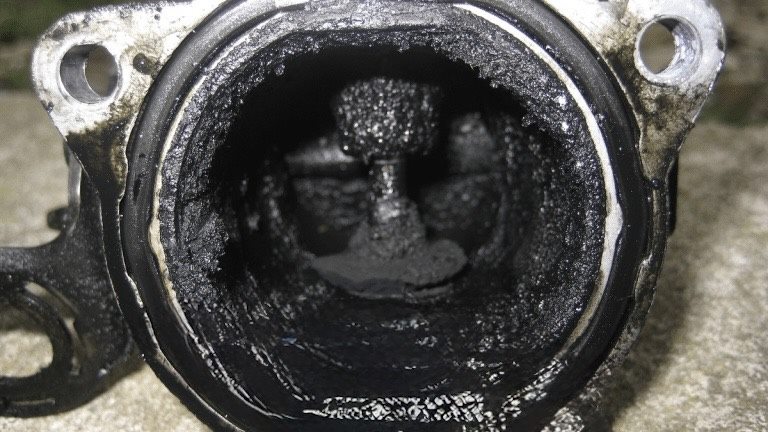
Carbon build-up is a common reason an EGR valve sticks, especially on vehicles used for short journeys. However, repeated EGR faults can also be caused by wiring problems, boost leaks, MAF sensor issues, intake restrictions, failed coolers, vacuum supply problems or software mismatches after previous work. Replacing the valve without checking the wider system may only fix the fault for a short time.
A proper diagnostic check should compare commanded EGR position with actual position, inspect related fault codes, check air mass readings and look for other engine issues that could affect EGR operation. If the vehicle has smoke or rough running, injector balance, boost control and intake leaks may need checking as well.
Cleaning, replacement and software support
Some EGR problems can be resolved by cleaning or replacing a sticking valve. In other cases the issue is not the valve itself, and further investigation is needed. Software support may be discussed only after the fault and the customer’s intended vehicle use are understood. Emissions-related software work may be suitable only for off-road, motorsport or export use where applicable. Road legality and emissions compliance remain the customer’s responsibility.
The goal is to avoid guessing. If a garage or customer has already fitted parts and the same EGR code returns, the next step should be a more careful look at live data, wiring and related systems rather than another round of parts swapping.
What to send before booking
Send the vehicle registration, engine size, mileage, exact fault codes, symptoms, whether the vehicle is smoking, whether it is in limp mode and what parts have already been cleaned or replaced. Local EGR fault support is available around Carrick-on-Suir, Clonmel, Waterford, Kilkenny and Tipperary. For ECU-related work, bench programming may be required depending on the vehicle and ECU type.
It helps to describe when the fault appears. Some EGR problems show up on cold start, some only when warm, and some only under light throttle or motorway driving. Mention whether the vehicle drives normally after the code is cleared or whether the fault returns immediately. This timing can point towards mechanical sticking, wiring, sensor plausibility or a deeper ECU-related issue.
If the vehicle also has DPF faults, both systems should be considered together. A poor-running EGR system can contribute to soot loading, while a blocked DPF can change how the engine behaves. Treating the systems as connected often gives better diagnostic advice than looking at a single code in isolation.
Photographs can help too. If the EGR valve or intake has been removed, photos of carbon build-up, broken clips, damaged wiring or oil contamination can support the diagnostic picture. They do not replace testing, but they often explain why a fault has kept returning after basic cleaning.
Where the vehicle is still driveable, avoid long-term use in limp mode. Reduced power is the ECU protecting the engine or emissions system from a fault it can see. Continuing to drive without diagnosis can create extra DPF loading, poor fuel economy and more difficult fault tracing later.